Guide
Gluten-Free Muffins Recipe
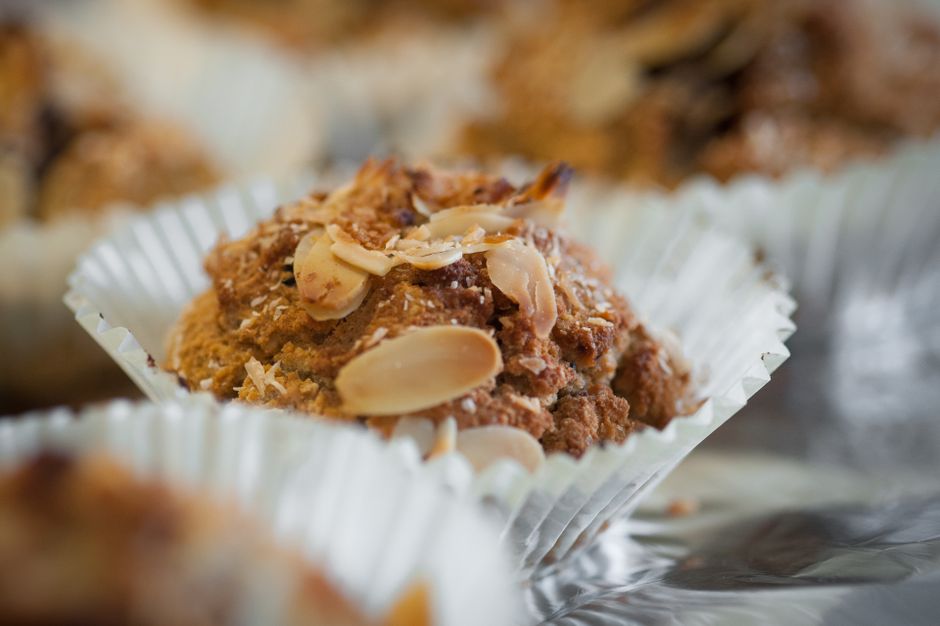
Gluten-free muffins have a reputation for turning out gummy, dense, or crumbly, but the fix is mostly about the flour blend and a few small technique changes. This recipe gives you one reliable base and four easy variations, so you can bake blueberry muffins one week and double chocolate the next without hunting for a new recipe each time. Everything below is built around a modern 1-to-1 gluten-free flour blend, the kind sold in most US grocery stores, which already includes the starches and gums that replace gluten's structure.
The base makes 12 standard muffins. Once you know it, the variations are just a matter of swapping a cup of add-ins and, in a couple of cases, a spoonful of cocoa or a pinch of spice. Read the tips before your first batch, since resting the batter and not overfilling the cups make a bigger difference in gluten-free baking than most people expect.
Gluten-Free Muffins (Base Recipe)
Ingredienser
- 2 cups (240 g) gluten-free 1-to-1 flour blend (with xanthan gum included)
- 1 teaspoon xanthan gum, about 1/2 teaspoon per cup (skip entirely if your blend already contains xanthan or guar gum)
- 2/3 cup (135 g) granulated sugar
- 1 tablespoon baking powder (verify it is labeled gluten-free)
- 1/2 teaspoon baking soda
- 1/2 teaspoon fine salt
- 2 large eggs, at room temperature
- 1 cup (240 ml) milk or unsweetened non-dairy milk, at room temperature
- 1/3 cup (80 ml) neutral oil or melted butter
- 1 teaspoon pure vanilla extract
- 1 to 1 1/4 cups add-ins of choice (see variations)
Gör så här
- Preheat the oven to 375F (190C). Line a 12-cup muffin pan with paper liners or grease it well.
- In a large bowl, whisk together the flour blend, xanthan gum (if using), sugar, baking powder, baking soda, and salt until evenly combined.
- In a separate bowl, whisk the eggs, milk, oil, and vanilla until smooth.
- Pour the wet ingredients into the dry and stir just until no dry streaks remain. The batter will be thick; do not beat it smooth.
- Gently fold in your chosen add-ins, then let the batter rest for 10 minutes so the flours can hydrate.
- Divide the batter evenly among the 12 cups, filling each about three-quarters full.
- Bake at 375F (190C) for 18 to 22 minutes, until the tops are golden and a toothpick inserted in the center comes out clean.
- Cool in the pan for 5 minutes, then transfer to a wire rack. Gluten-free muffins set as they cool, so wait before slicing.
| Variation | Add-in | Extra changes | Notes |
|---|---|---|---|
| Classic blueberry | 1 1/4 cups fresh or frozen blueberries | Toss berries in 1 tablespoon flour blend | Add berries frozen to limit bleeding |
| Double chocolate | 1 cup chocolate chips | Replace 1/3 cup flour with cocoa powder | Reduce add-ins slightly to balance cocoa |
| Banana nut | 1 cup mashed banana + 1/2 cup chopped walnuts | Cut milk to 3/4 cup | Use very ripe bananas for sweetness |
| Lemon poppy seed | 2 tablespoons poppy seeds + 1 tablespoon lemon zest | Add 2 tablespoons lemon juice | Brush warm tops with a light glaze |
Tips for the Best Gluten-Free Muffins
- Use a 1-to-1 blend with xanthan gum. Single-grain flours like rice or oat flour on their own will not hold the structure and usually bake up crumbly.
- Rest the batter 10 minutes. Gluten-free starches need time to absorb liquid, which prevents a gritty texture and helps the muffins dome.
- Do not overmix. Stir just until combined; overmixing gluten-free batter traps less air and can make muffins dense.
- Weigh your flour if you can. Cups of gluten-free blend vary a lot, and too much flour is the top cause of dry muffins.
- Bring eggs and milk to room temperature so the batter rises evenly and the fat stays emulsified.
- Check doneness at 18 minutes. Gluten-free muffins can go from underbaked to dry quickly, so use the toothpick test rather than the clock alone.
Frequently Asked Questions
Why are my gluten-free muffins gummy in the middle?
A gummy center usually means the muffins were underbaked or the batter had too much liquid. Bake until a toothpick comes out clean, and if it keeps happening, reduce the milk by a couple of tablespoons or let the batter rest before baking so the starches hydrate fully.
Can I make these dairy-free too?
Yes. Use an unsweetened non-dairy milk such as almond, oat, or soy, and swap the butter for a neutral oil or a dairy-free spread. The base recipe works the same way, though oat milk should be certified gluten-free if you are avoiding cross-contamination.
Do I need xanthan gum?
Only if your flour blend does not already contain it. Most 1-to-1 blends include xanthan or guar gum, which replaces gluten's binding. If your blend lists a gum in the ingredients, skip the added teaspoon or the muffins can turn dense and slightly rubbery. If your blend has no gum, use about 1/2 teaspoon per cup of flour.
How do I store and freeze gluten-free muffins?
Store cooled muffins in an airtight container at room temperature for up to 2 days, or refrigerate up to 5 days. They freeze well for up to 3 months; wrap individually and reheat from frozen in a 300F (150C) oven for about 10 minutes to refresh the texture.
Can I use a homemade flour blend instead of store-bought?
You can, but results vary. A tested blend of rice flour, starches, and a gum will behave most like a store-bought 1-to-1. If your homemade blend has no gum, add 1/2 teaspoon xanthan gum per cup of flour to keep the muffins from crumbling.
Coeliac and cross-contamination note: If you or someone you are baking for has coeliac disease or a diagnosed gluten sensitivity, check that every ingredient is certified gluten-free, including baking powder, oats, chocolate chips, and flavorings, since these are common sources of hidden gluten or shared-line contamination. Use clean bowls, utensils, and pans that have not held wheat flour, and avoid airborne flour dust in a shared kitchen. This article is for general information only and is not medical advice; consult a qualified healthcare professional for guidance on managing coeliac disease or any dietary restriction.
Related guides
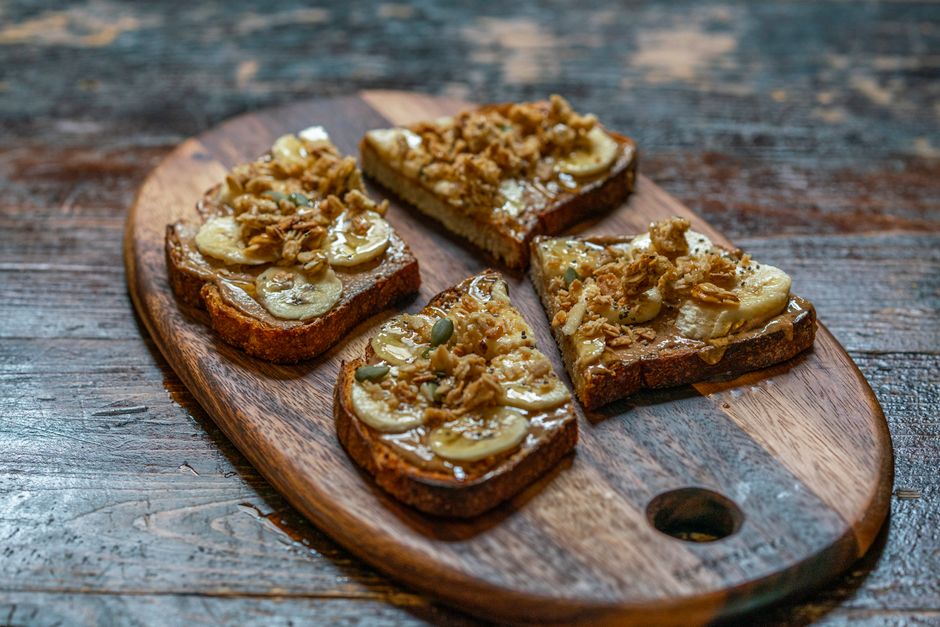 GuideGluten-Free Banana Bread RecipeEasy gluten-free banana bread with a 1:1 GF flour blend. Moist, tender crumb, ready in about an hour. Tips, doneness cues, and FAQ included.Read more →
 GuideGluten-Free Binders Chart (Xanthan, Psyllium, Guar)How much xanthan, guar, psyllium, flax, and chia to use per cup of gluten-free flour, when to use each binder, plus tips and FAQ.Read more →
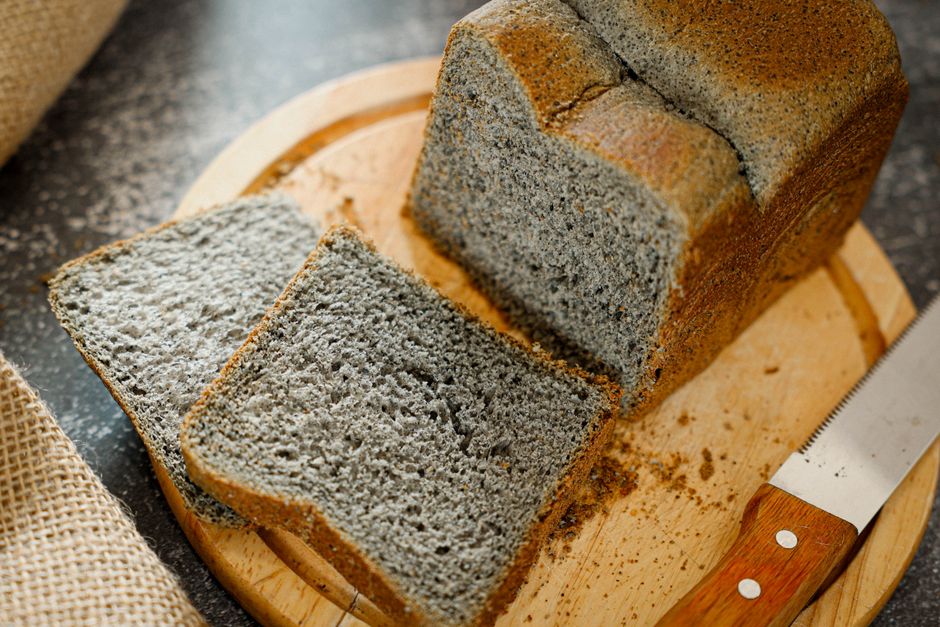 GuideGluten-Free Bread RecipeMake a soft, sliceable gluten-free sandwich loaf with a GF flour blend, psyllium or xanthan, and yeast. Single rise, bake temps, and doneness tips.Read more →
 GuideGluten-Free Brownies RecipeFudgy gluten-free brownies from scratch. Bake at 350F for 25-30 minutes for rich, crackly-topped squares. Recipe card, tips, and FAQ included.Read more →
This page contains affiliate links – if you buy through them we may earn a commission, at no extra cost to you. The recommendations are our own assessment.