Guide
Gluten-Free Binders Chart (Xanthan, Psyllium, Guar)
Gluten is the stretchy protein network that gives wheat breads their chew. Take it away and batters turn crumbly, doughs fall apart, and loaves sink. Binders replace that missing structure by trapping gas, holding moisture, and gluing the crumb together. The three workhorses are xanthan gum, guar gum, and psyllium husk, with ground flax and chia as whole-food alternatives that double as egg replacers. The chart below shows how much to use per cup of gluten-free flour and when each one shines.
| Binder | Amount per cup GF flour | Best for | How to use / notes |
|---|---|---|---|
| Xanthan gum | 1/4 tsp (cakes, cookies); 1/2 to 1 tsp (breads, pizza) | All-purpose use, cakes, cookies, muffins, quick breads | Fermented from sugar; a strong binder. A little goes a long way; too much turns bakes gummy or heavy. Whisk into dry flour first. |
| Guar gum | 1/4 to 1/2 tsp (most bakes); up to 1 tsp (breads) | Cold or low-heat items, cookies, and corn-free baking | Made from guar beans; higher in fiber. Can taste chalky if overused. Blend well to avoid clumps. |
| Psyllium husk | 2 to 3 tsp (about 1 tbsp) per cup, plus extra liquid | Yeast breads, pizza, bagels, wraps that need stretch | Forms a gel that mimics gluten's elasticity. Powder is more concentrated than whole husk, so use less. Start on the low end and add more for chewier, artisan loaves. |
| Ground flax | 1 tbsp flax + 3 tbsp warm water (also replaces 1 egg) | Muffins, pancakes, cookies, hearty rustic breads | Let the flax gel 5 to 10 minutes. Adds nutty flavor, moisture, and fiber; can make crumb denser. |
| Chia (ground) | 1 tbsp chia + 3 tbsp water (also replaces 1 egg) | Muffins, quick breads, cookies, vegan bakes | Milder than flax and gels faster. Grind seeds for smoother crumb; whole seeds leave visible specks. |
- Check the label: if your flour blend already contains xanthan or guar gum, do not add more or the result will be gummy.
- Measure gums by the fraction of a teaspoon. They are powerful, and overuse is the most common gluten-free baking mistake.
- For psyllium, flax, and chia, add a little extra liquid and let the batter rest so the gel can fully form.
- Combine binders for tricky bakes: psyllium for stretch plus a pinch of xanthan for crumb strength works well in artisan loaves.
- Whisk any gum into the dry flour before adding liquid to prevent slimy clumps.
Can I use xanthan and guar gum interchangeably?
Mostly yes, at similar amounts. Xanthan gives a slightly chewier, more elastic result, while guar is higher in fiber. Corn-sensitive bakers often choose guar, since xanthan is usually grown on corn sugar; others find one easier to digest than the other.
How much binder do I need for bread versus cookies?
Cookies and cakes need little structure, so 1/4 teaspoon of gum per cup is plenty. Yeast breads and pizza need more stretch, so use 1/2 to 1 teaspoon of gum, or about 1 tablespoon (2 to 3 teaspoons) of psyllium husk per cup.
Are flax and chia as effective as gums?
They add real structure and moisture and double as egg replacers, but they bind more gently. They shine in muffins, pancakes, and rustic loaves; for airy sandwich bread or delicate cakes, gums or psyllium give better lift.
Why did my gluten-free bake turn out gummy or heavy?
Almost always too much binder. Scale back the gum, confirm your flour blend was not already gummed, and weigh ingredients when you can. Underbaking looks similar, so give loaves extra time in the oven.
Is psyllium husk safe to eat in baked goods?
For most people, yes, in the small amounts used here. It is a soluble fiber, so drink water and start modestly if you are not used to it. If you have digestive concerns, check with a professional.
If you bake for someone with celiac disease or a gluten allergy, cross-contamination matters as much as ingredients: use certified gluten-free binders and flours, clean surfaces and tools, and avoid equipment that has touched wheat. Gums and psyllium are naturally gluten-free but can pick up gluten during processing, so a certified gluten-free label is the safest choice. This chart is general baking guidance only and is not medical or dietary advice; for personal health questions, consult a qualified healthcare professional.
Related guides
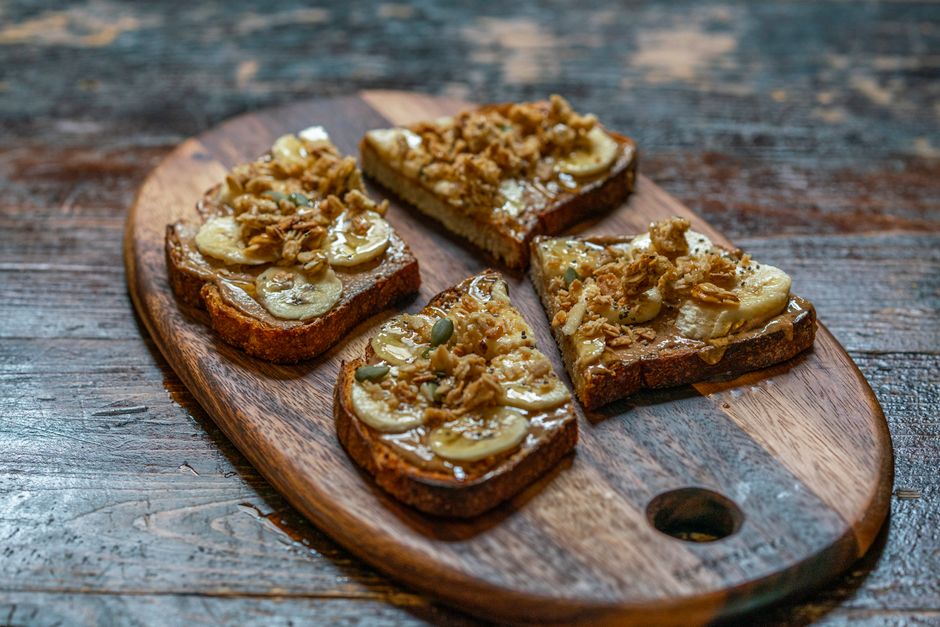 GuideGluten-Free Banana Bread RecipeEasy gluten-free banana bread with a 1:1 GF flour blend. Moist, tender crumb, ready in about an hour. Tips, doneness cues, and FAQ included.Read more →
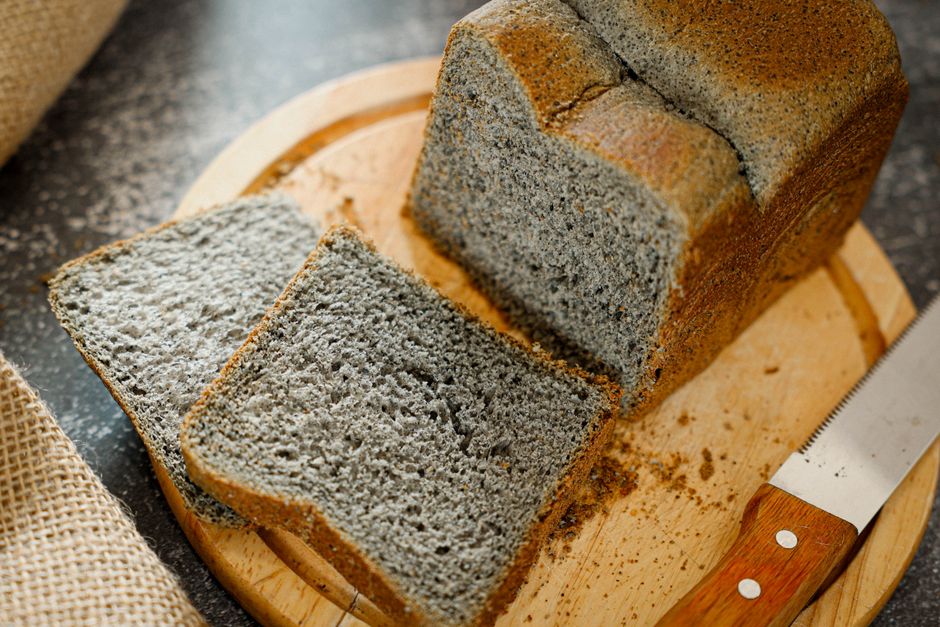 GuideGluten-Free Bread RecipeMake a soft, sliceable gluten-free sandwich loaf with a GF flour blend, psyllium or xanthan, and yeast. Single rise, bake temps, and doneness tips.Read more →
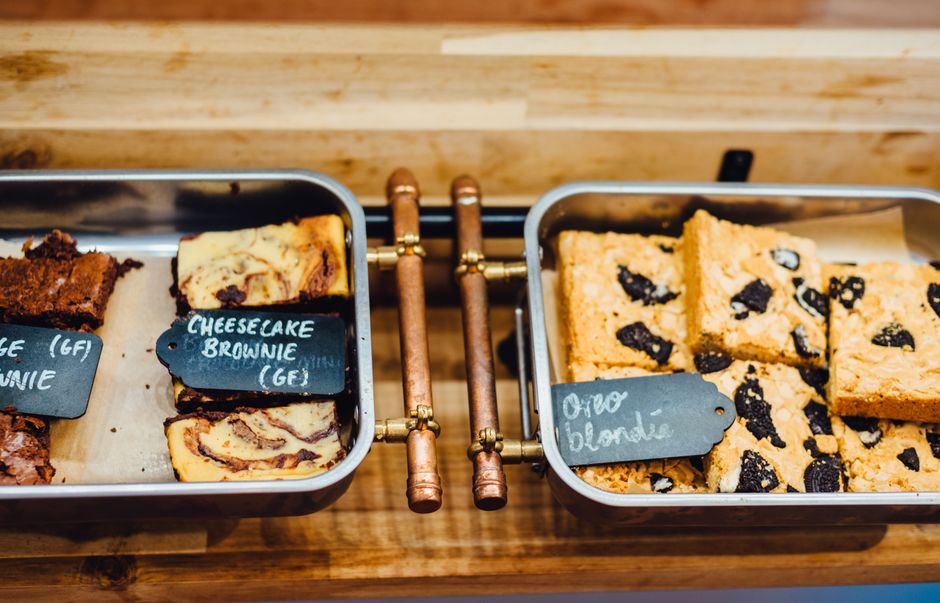 GuideGluten-Free Brownies RecipeFudgy gluten-free brownies from scratch. Bake at 350F for 25-30 minutes for rich, crackly-topped squares. Recipe card, tips, and FAQ included.Read more →
 GuideGluten-Free Chocolate Cake RecipeA moist gluten-free chocolate cake recipe with a printable recipe card, bake temps and times by pan, baking tips, and FAQ. Dairy-free option included.Read more →
This page contains affiliate links – if you buy through them we may earn a commission, at no extra cost to you. The recommendations are our own assessment.