Guide
Gluten-Free Bread Recipe
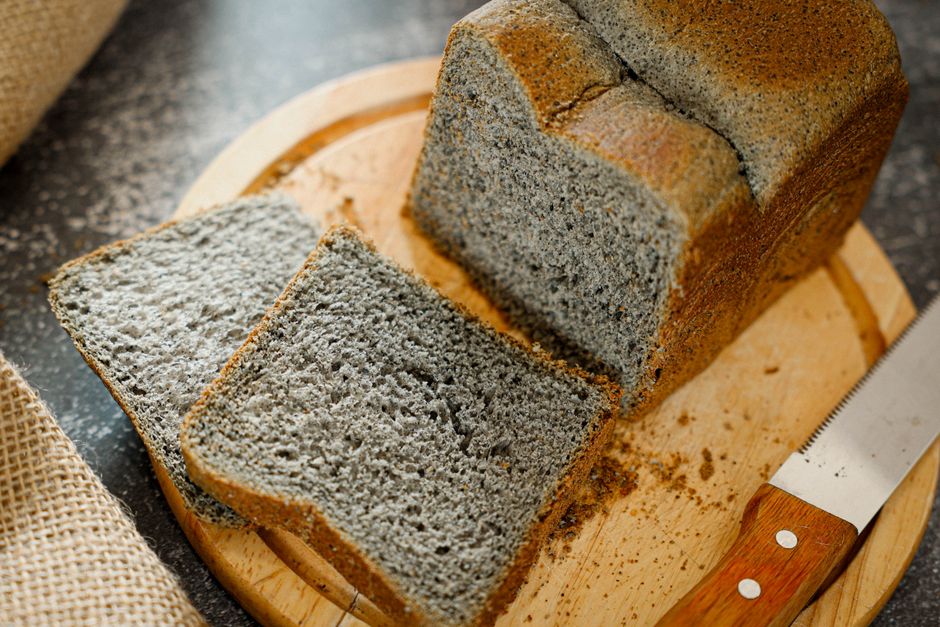
Homemade gluten-free bread has a reputation for being dense, gummy, or crumbly, but the fix is mostly technique, not luck. Unlike wheat bread, a gluten-free loaf starts as a thick batter rather than a kneadable dough, and it depends on psyllium husk or xanthan gum to trap the gas that yeast produces. This recipe keeps things simple with a single rise, a hot oven, and one non-negotiable step: baking to an internal temperature instead of guessing by color. The result is a soft, sliceable loaf that holds up to toasting, spreads, and lunchbox sandwiches.
Everyday Gluten-Free Sandwich Loaf
Ingredienser
- 3 1/4 cups (455 g) gluten-free all-purpose flour blend
- 2 tablespoons (16 g) whole psyllium husk, OR 2 teaspoons xanthan gum if your blend contains none
- 2 teaspoons instant yeast
- 1 1/2 teaspoons fine salt
- 1 tablespoon (12 g) sugar
- 1 1/4 cups (300 g) warm water, about 100°F (38°C)
- 2 large eggs, at room temperature
- 3 tablespoons (42 g) neutral oil or melted butter
- 1 teaspoon cider vinegar
Gör så här
- Grease a 9x5-inch (23x13 cm) loaf pan and line it with a parchment sling.
- In a large bowl, whisk together the flour blend, psyllium (or xanthan), yeast, salt, and sugar.
- Add the warm water, eggs, oil, and vinegar. Beat 2 to 3 minutes until thick, smooth, and sticky. It should look like a heavy batter, not a kneadable dough.
- Scrape the batter into the pan and smooth the top with a wet spatula.
- Cover loosely and let rise in a warm spot 45 to 60 minutes, until the batter just crests the pan rim. Do not overproof.
- Meanwhile, heat the oven to 400°F (205°C).
- Bake 45 to 55 minutes, tenting loosely with foil after about 25 minutes if the top is browning quickly.
- The loaf is done when the internal temperature reaches 205 to 210°F (96 to 99°C) on an instant-read thermometer.
- Cool in the pan 10 minutes, then turn out onto a rack and cool completely, at least 1 hour, before slicing.
Tips for a better loaf
- Weigh your flour. GF blends vary widely by the cup, and a kitchen scale is the single biggest upgrade for consistent results.
- Psyllium vs. xanthan: whole psyllium husk builds a chewier, more bread-like crumb and stronger structure; xanthan is convenient but turns gummy if overused.
- Warm, not hot. Yeast begins to die around 130°F (54°C), so keep the water at comfortable bathwater warmth, about 100°F (38°C), and never hot to the touch.
- Do not overproof. GF batter has no gluten net, so if it rises too high it collapses in the oven. Bake when it just reaches the pan rim.
- Cool before slicing. The crumb finishes setting as it cools; cutting warm bread releases steam and leaves it gummy.
- Slice and freeze the cooled loaf, then toast straight from frozen. Gluten-free bread stales fast at room temperature.
A note on safety: if you or someone you bake for has celiac disease or a gluten sensitivity, use flour, yeast, and add-ins that are certified gluten-free, and guard against cross-contamination from shared toasters, cutting boards, colanders, and airborne flour dust. This article is for general baking information only and is not medical or dietary advice; consult a qualified healthcare provider for guidance on your specific needs.
Do I need both psyllium husk and xanthan gum?
No, choose one binder. Psyllium husk gives the strongest structure and a chewier crumb; xanthan gum is a fine substitute. If your flour blend already contains xanthan, do not add more or the loaf can turn gummy.
Why is my gluten-free bread gummy inside?
The two usual culprits are slicing before the loaf is fully cool and underbaking. Always bake to an internal temperature of 205 to 210°F (96 to 99°C), and let the loaf cool at least an hour so the starches can set.
Can I make this loaf dairy-free or egg-free?
For dairy-free, use oil or vegan butter. Eggs add lift and structure, so removing them changes the crumb. A common swap is a flax or extra psyllium gel, but expect a denser, more tender loaf.
Can I use active dry yeast instead of instant?
Yes. Proof it first in the warm water with the sugar for 5 to 10 minutes until foamy, then continue with the recipe as written.
How should I store gluten-free bread?
Keep it on the counter no more than a day or two, since it dries out quickly. For best results, slice the cooled loaf, freeze it, and toast slices straight from the freezer.
Related guides
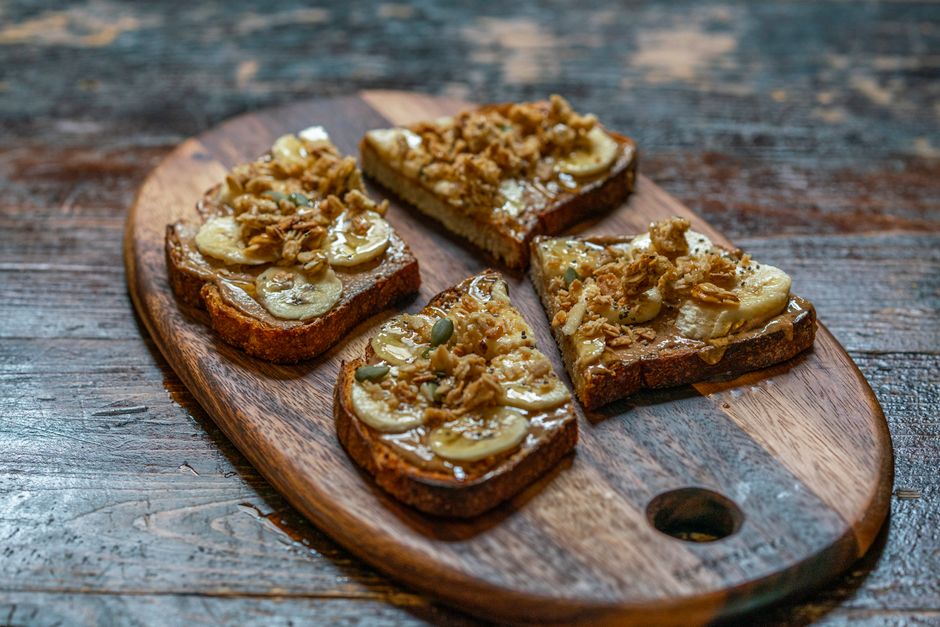 GuideGluten-Free Banana Bread RecipeEasy gluten-free banana bread with a 1:1 GF flour blend. Moist, tender crumb, ready in about an hour. Tips, doneness cues, and FAQ included.Read more →
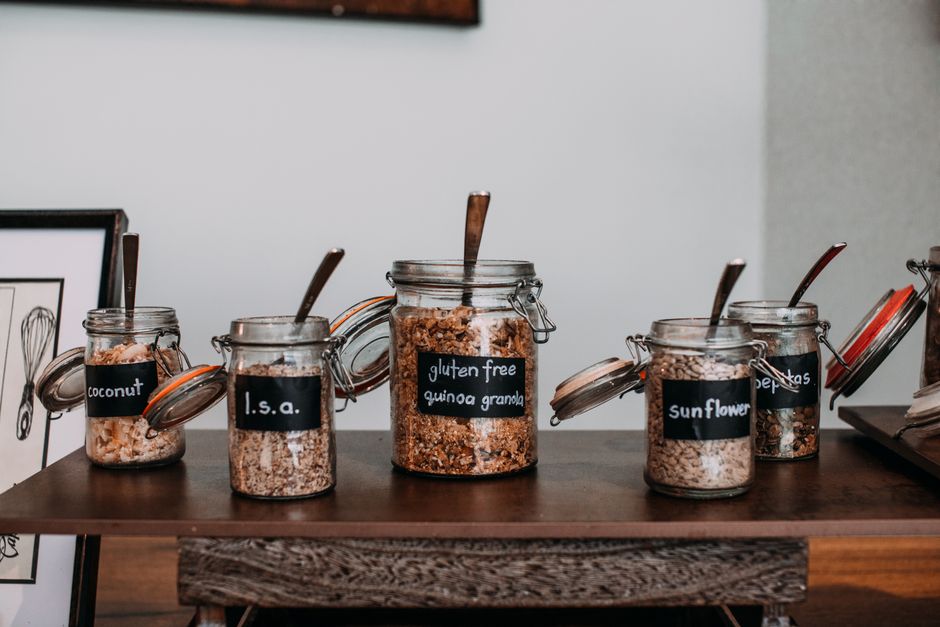 GuideGluten-Free Binders Chart (Xanthan, Psyllium, Guar)How much xanthan, guar, psyllium, flax, and chia to use per cup of gluten-free flour, when to use each binder, plus tips and FAQ.Read more →
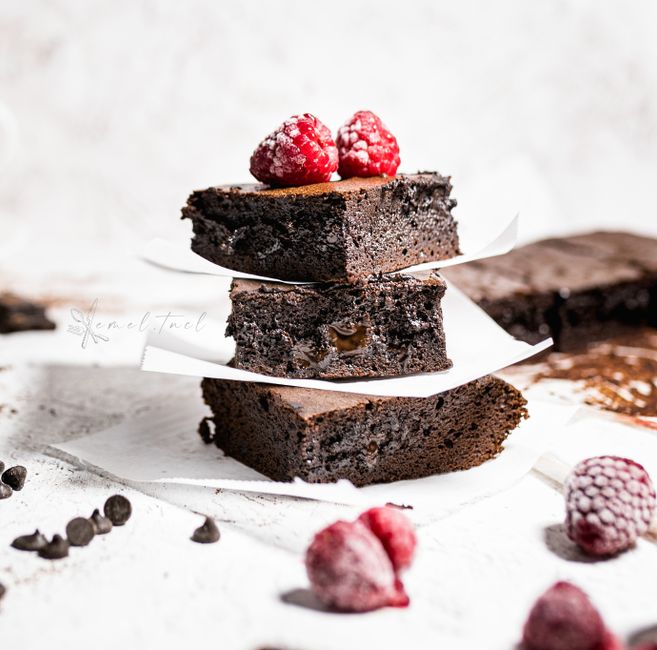
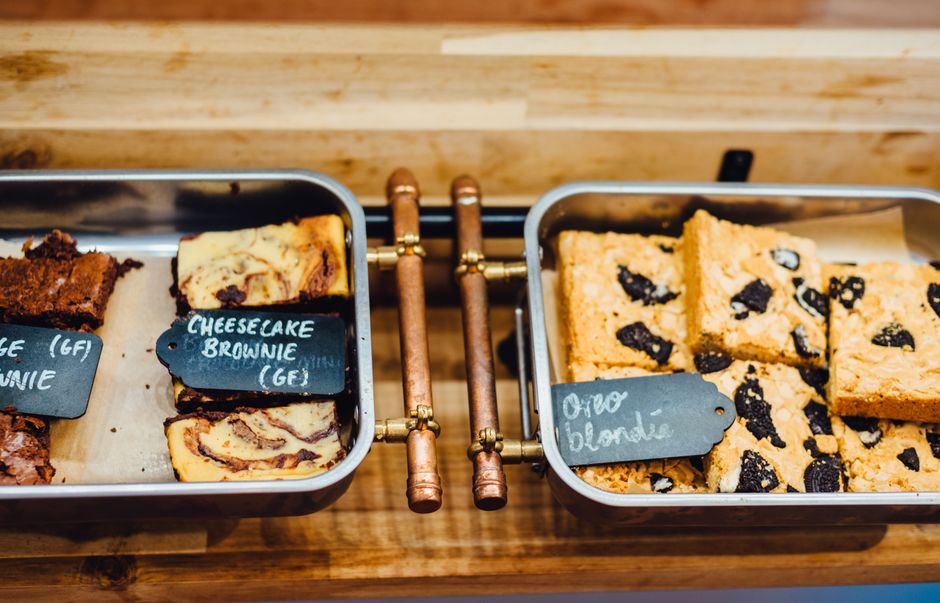 GuideGluten-Free Brownies RecipeFudgy gluten-free brownies from scratch. Bake at 350F for 25-30 minutes for rich, crackly-topped squares. Recipe card, tips, and FAQ included.Read more →
 GuideGluten-Free Chocolate Cake RecipeA moist gluten-free chocolate cake recipe with a printable recipe card, bake temps and times by pan, baking tips, and FAQ. Dairy-free option included.Read more →
This page contains affiliate links – if you buy through them we may earn a commission, at no extra cost to you. The recommendations are our own assessment.